Peanuts
Farmer stock grading at buying points and inspection stations.
Post-harvest automation
We started with peanut grading: every truckload of farmer stock, seen and sorted by AI. Every graded crop is next.
In collaboration with



Backed by


The problem
Sorting, grading, picking and packing are still done by people.
Long seasons and repetitive work, with fewer people willing to do it every year.
Same produce, two graders, two different grades.
Post-harvest doesn’t need more workers. It needs AI that sees every piece: sort, grade, pick and pack.
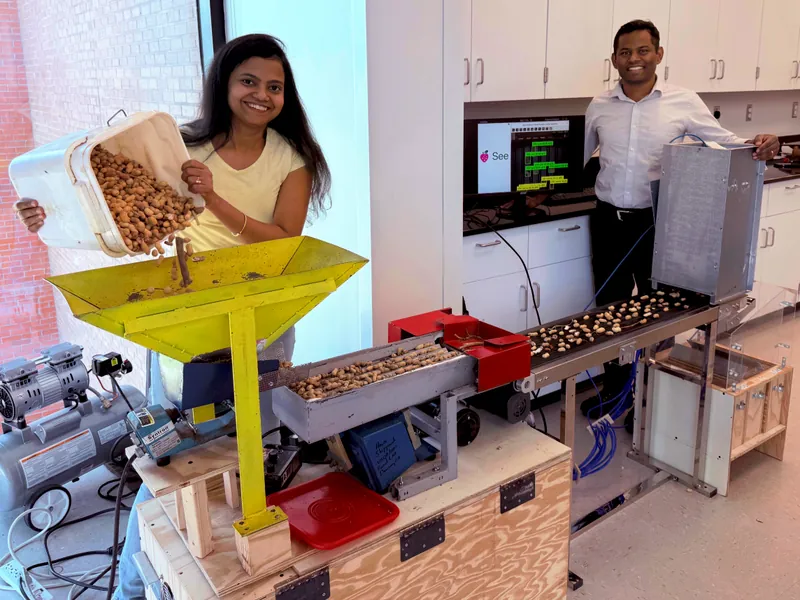
Peanut grading · live now
Every truckload of farmer stock peanuts must be graded to USDA standards before it is sold. Today that grade runs through a 1950s machine with a crew hand-sorting behind it, the biggest bottleneck of the season. WAGS sorts the sample with AI, so one person can run the station.
Tested by the State of Alabama: more accurate than today’s machine on every measure.
Peanut grading details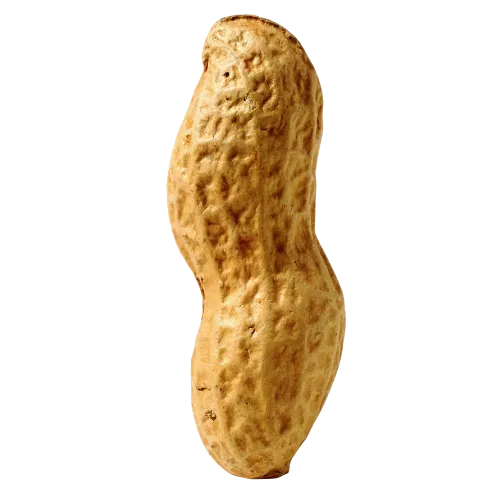
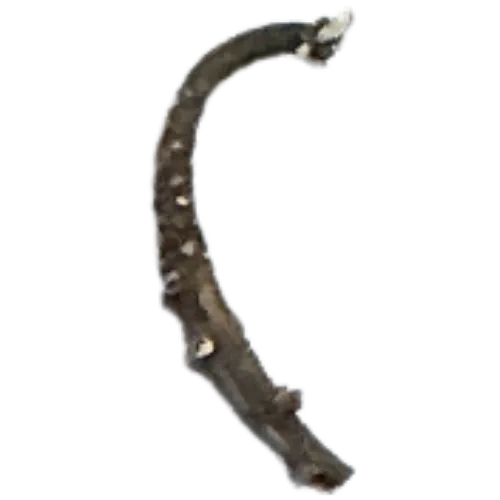
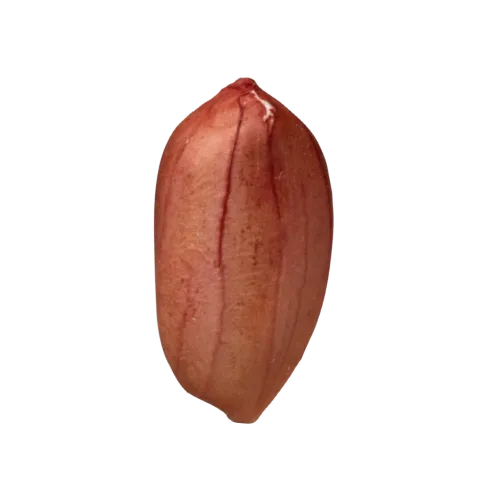
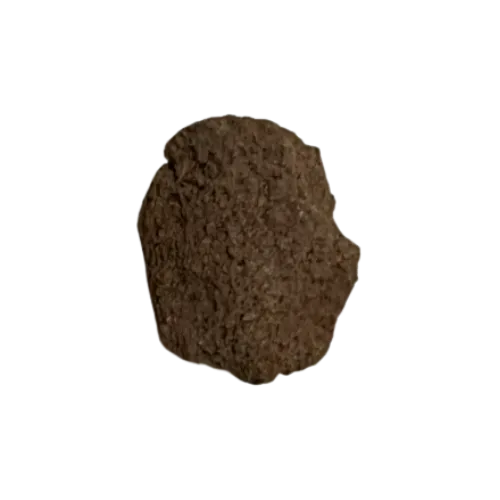
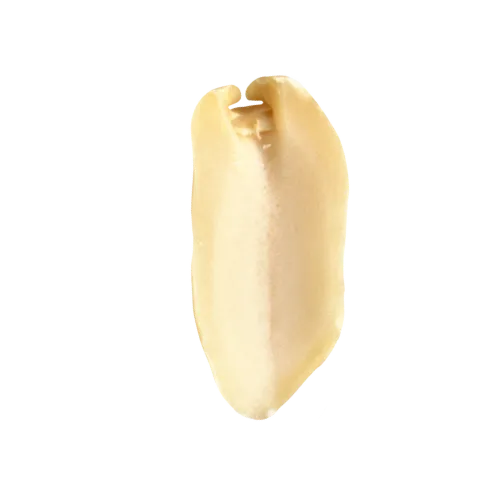
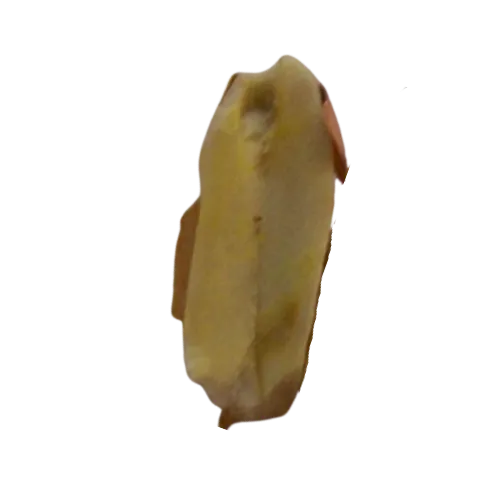
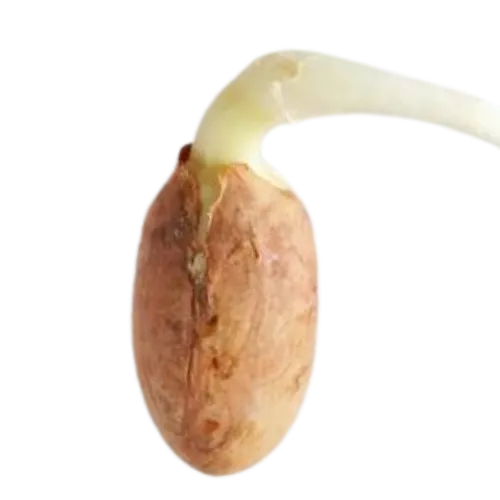
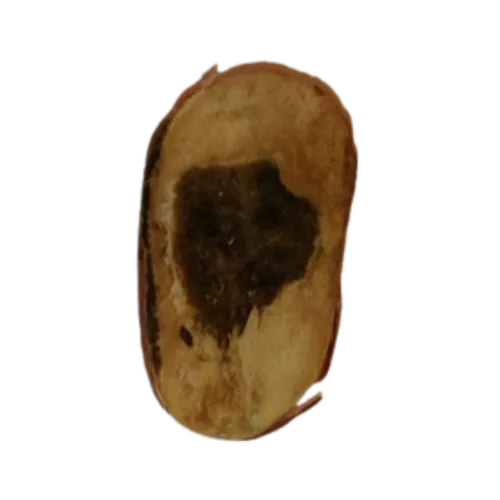
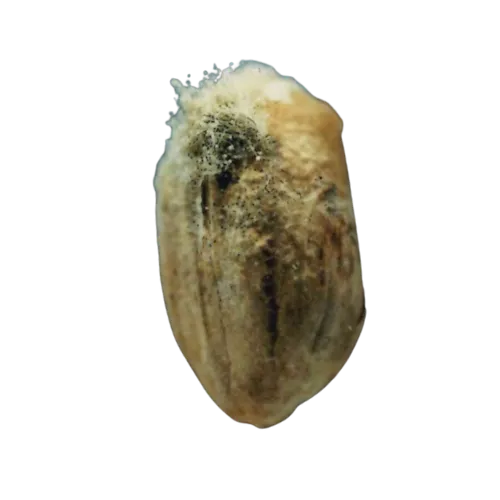
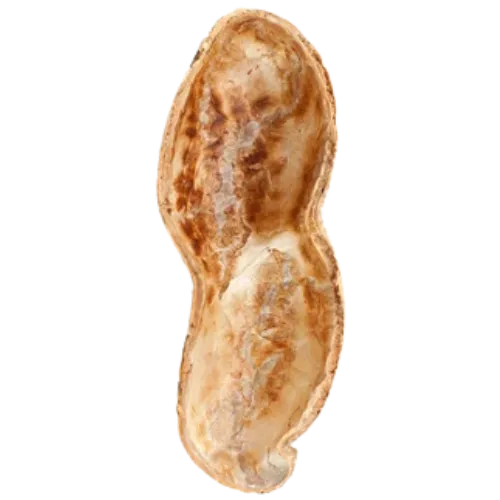
FM foreign material LSK loose shelled kernel POD in-shell
Validated in the field
“With impressive accuracy.”
On how WAGS identifies and separates foreign material, loose shelled kernels and in-shell peanuts to current grading standards.
“A tremendous need.”
On the need for enhanced technology to automate peanut inspection. After reviewing the beta machine, Georgia committed to help fabricate the prototype and to provide personnel and test sites.
The vision
The AI that guides the robot arm. The arms exist; the judgment does not.
In developmentRobotic sorting →
Quality checks at the moment of picking, through our API and SDK.
In developmentDevelopers →
Grocery Assistant: freshness, expiry dates and recall alerts while you shop.
Beyond peanuts
Peanuts
Farmer stock grading at buying points and inspection stations.
GrainNext
Corn, soybeans and wheat are still inspected by hand.
Tree nutsLater
Shell, kernel and foreign-material grading, the same problem in a new crop.
Your crop?
Still grading a crop by hand? Tell us about it.
Let’s talk
Where it ends
Lights-out facilities: sorting, grading and packing with nobody on the floor.
The field is already automated. We’re automating everything after it.
Grocery Assistant · live on iOS and Android
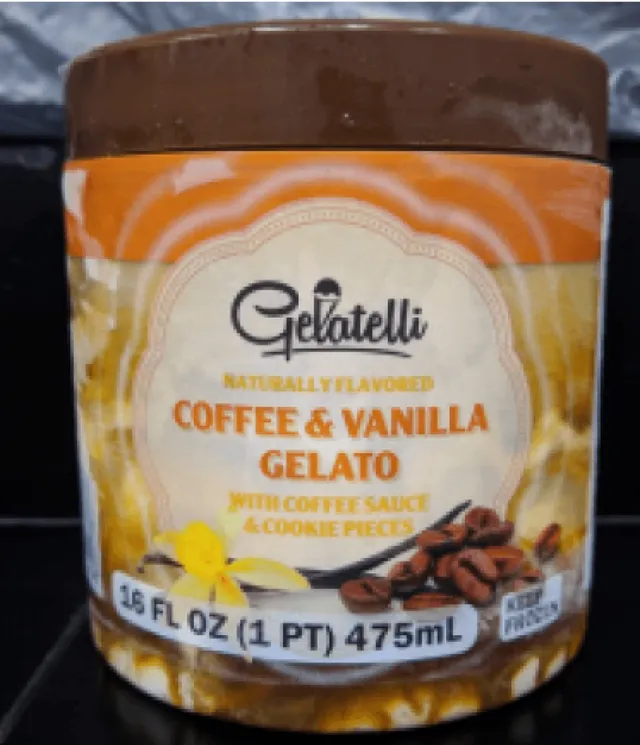
Our AI Grocery Shopping Assistant checks produce freshness, predicts expiry dates and alerts you to FDA and USDA recalls before you buy.



Why us
Pandian grew up on a small farm. Every season his family brought him to the grading station as their lucky charm, because the same load could get a different grade on a different day. Today he and Priyanka build the AI that makes the grade consistent, from Dothan, Alabama.

Pandian Rajaram
Co-founder & CEO · infrastructure & software
MS CS, Cal State LA · 11+ years in AI
LinkedIn
Priyanka Kumari
Co-founder & President · data & models
MS CS, University of Houston · 7+ years in AI
LinkedInOur journey
We built the first machine from plywood. The State of Alabama tested it and signed the result.
Jan 2026
Began collaborating with the USDA ARS National Peanut Research Laboratory in Dawson, Georgia.
Apr 2026
Alabama Department of Agriculture & Industries writes a letter of support for WAGS.
May 2026
Georgia Federal-State Inspection Service writes a letter of support and commits test sites.
Aug 2026
Prototype completed. The State of Alabama tests it and validates the results.
Sep 2026
First buyer signs a letter of intent.
Harvest 2026 · now
Manufacturing commercial units for upcoming deployment in Alabama and Georgia.
Next
USDA approval for official grading, first deployments, and the next crop.
Field notes
Recall alert
PDF document
Letter of Support from Georgia Federal-State Inspection Service
Company news
PDF document
Letter of Support from Alabama Department of Agriculture & Industries
Company news
Let’s grow together
Buying points, shellers, inspectors, investors, press and developers: one email reaches the founders.
pandian@seeproduce.com
Based in
Dothan, Alabama
Before you ask
Not yet. Commercial units are currently in manufacturing for field deployment in Alabama and Georgia in the coming months, and USDA approval for official grading is in progress.
No. Inspectors run WAGS and certify every grade. It takes on the hand-sorting, so one person can do the work of three, which matters at stations that can’t hire enough seasonal staff.
We’re talking with buying points about upcoming deployments. Book a call, or inquire for your station.