Products / Packhouse & warehouseIn development
Know every crate before it ships.
The same AI that grades peanuts, trained on fresh produce. Grade every batch, predict shelf life and send ripe stock on short routes, so less of it spoils on the way.
Batch 0417Scanned
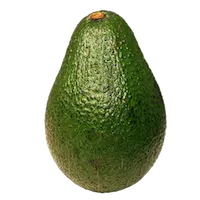
Avocado · 24 ct
Ripe · ship local
Produce profit loss
Three ways a produce warehouse loses money to waste it could see coming.
- 01Spoiled produce
- Lost to expiry and quality loss in storage.
- 02Production line waste
- Damaged or discarded during sorting.
- 03Buyer rejections
- Returned because the grade was wrong on delivery.
Two ways in
Start with a phone. Finish with a robot.
01Available · 6 produce types
AI inspection app
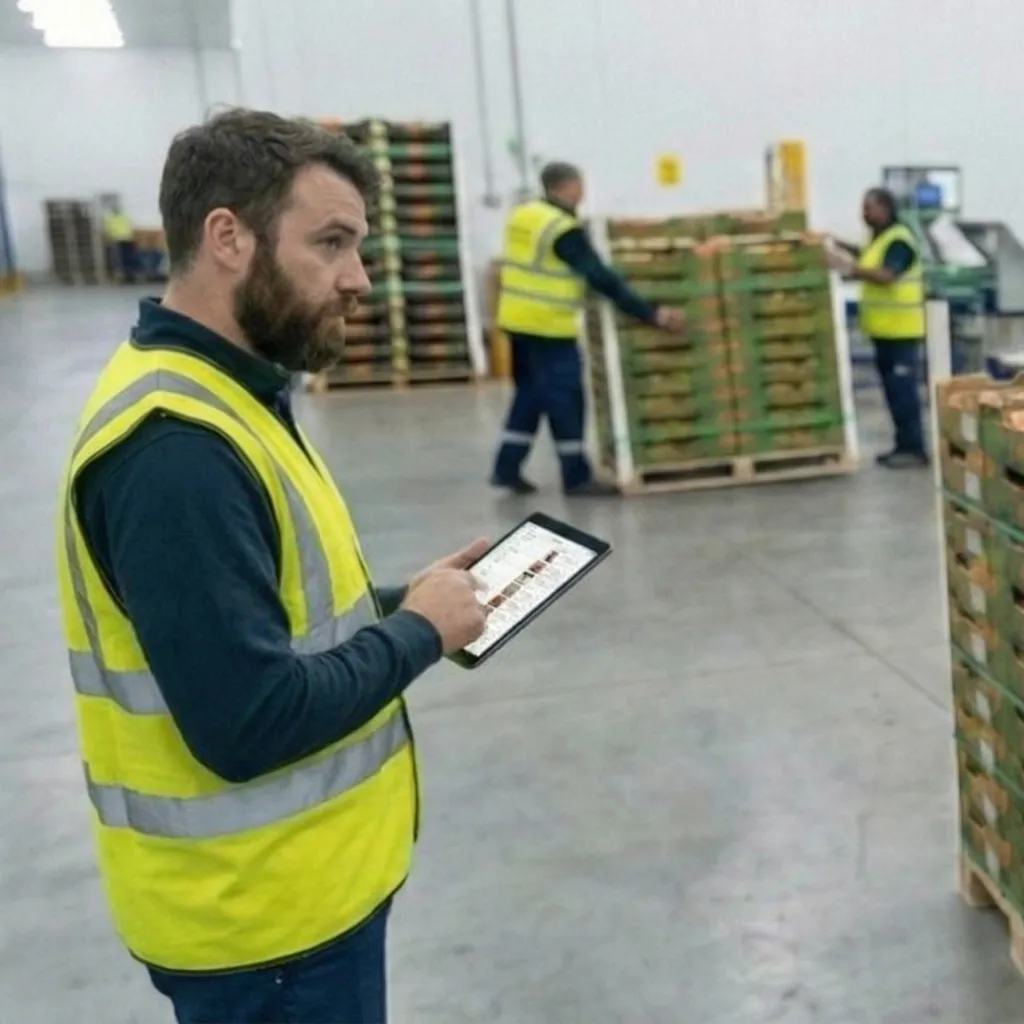
Any team member scans a batch on a phone or tablet. The AI grades it, finds defects and predicts shelf life.
How the app works
02In development
Robotic sorting
The same AI guides a robotic arm that inspects every item on all sides, then picks and packs it.
What we’re building
AI inspection appAvailable · 6 produce types
No inspector needed to inspect.
Replace subjective checks with the same AI analysis on every batch, and plan inventory on real freshness instead of guesswork.
- 01
Scan
Any team member scans produce with the mobile app. The AI finds defects, checks quality and predicts the expiry date.
- 02
Route by ripeness
Managers see quality and shelf life from anywhere. Ripe stock goes to nearby stores; firmer stock takes the long routes.
- 03
Ship with proof
Each batch leaves with a record of its grade, so you can meet buyer specs and answer quality claims.

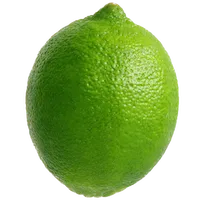


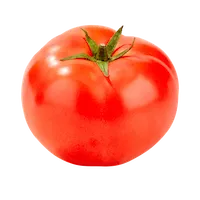
 Blackberry
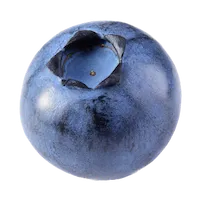 Blueberry
 Cherry
 Chili
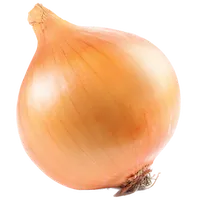 Onion
The cost of inspecting by hand
Slow checks cost you twice: at the dock and on the shelf.
01
Lines wait on inspectors
Produce is graded one piece at a time while packing lines stall and trucks wait at the dock.
02
Ripe stock on long routes
Without ripeness data, produce travels hundreds of miles and arrives unusable. You still pay for the truck.
03
Claims you can’t check
Retailers say it arrived overripe or damaged. With no record, you pay the credit or lose the customer.
04
Markdowns of 30–50%
Missed defects show up as decay 2–3 days later. Shelf life drops to 4–5 days, and stores mark it down to move it.
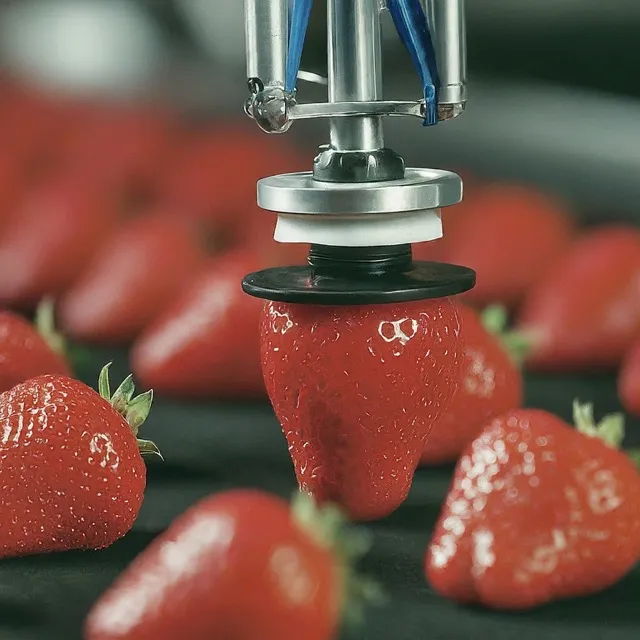
Robotic sortingIn development
The arms exist. We’re building the judgment.
Our AI tells a robotic arm what each item is worth, so defects come out before packing and every crate is graded the same way.
- Robotic pick & pack
- Automates repetitive picking and packing, with the same care on the ten-thousandth item as the first.
- 360° inspection & shelf life
- Turns every item to catch defects a top-down camera misses, and gives each one its own shelf-life prediction.
- Defects out, premium in
- Separates defects from premium produce as it inspects, to one quality standard.
- Inventory that knows its dates
- Tracks accepted and rejected stock with expiry dates, so the shortest-lived ships first.
Questions
Before you ask.
What produce types are supported?
Can I buy the robotic arm today?
What does joining the pilot involve?
Packhouses · warehouses · distributors